The Code of Practice on Transparency of AI-Generated Content: What It Requires
If your business makes or uses generative AI, the EU AI Act says people have to be able to tell its output is artificial. The Commission has now published a Code of Practice on Transparency of AI-Generated Content, and it gives you the method to comply with this requirement.
The Code is voluntary. You can still meet Article 50 by other adequate means. But it’s an official document, so treat it as the standard. Adopt it and you get the cleanest way to show a regulator you comply. That counts in your favour if you’re ever audited. Don’t, and you’re still bound by Article 50, but the Commission’s draft guidelines warn you should expect more questions and a demand to justify your approach.
Marking and labelling are two different jobs
Most confusion about Article 50 comes from mixing up two duties, marking and labelling.
Marking is machine-readable, and it’s the provider’s job. Article 50(2) says a provider’s outputs must be “marked in a machine-readable format and detectable as artificially generated or manipulated.” This part is invisible. Metadata and watermarks that software reads and a person never sees. It applies from 2 December 2026.
Labelling is visible, and it’s the deployer’s job. Article 50(4) says the business using the AI has to put a visible label on two kinds of content. Deep fakes, and AI-written text published to inform the public on matters of public interest. The label has to reach the viewer “in a clear and distinguishable manner at the latest at the time of the first interaction or exposure” (Article 50(5)). It applies from 2 August 2026, the nearer date.
So ask which role you hold. Build a product that generates images, audio, video or text and sell it in the EU, and you’re a provider. Use ChatGPT, Claude or Gemini to make content for your business, and you’re a deployer. Marking is your model provider’s job, yours is labelling.
What providers have to do
No single technique survives normal real-world use. A screenshot strips metadata. Heavy editing degrades a watermark. So the Code asks for at least two layers on every output.
- Signed metadata, where the file format supports it. Images, audio, video, and text in a container like a PDF or Word file. It records that the content is AI-generated, signed and time-stamped so tampering shows. It’s rich and cheap, but it doesn’t survive a screenshot.
- An imperceptible watermark in the content itself. This is the layer that lasts. It sits in the pixels, the audio or the choice of words rather than the file wrapper, so it’s still there when the metadata is gone. Being invisible is the point. You can put it on every output without spoiling it, and nobody can see it to crop it out.
So watermarking isn’t actually a legal requirement. Read Article 50(2) and you won’t find the word watermark. It says outputs have to be marked and detectable, and that the method has to be “effective, interoperable, robust and reliable as far as this is technically feasible.”
Watermarking is the Code’s answer to the Act’s word “robust”. Metadata alone can’t meet that test, so the watermark carries it.
Free-form text is the exception. A raw string of text can’t hold metadata, so the watermark does the whole job. And text under about 200 tokens (approx. 150 words) needs nothing. Current methods can’t watermark anything that short, and the Code expects that floor to drop. A two-sentence chatbot reply needs no watermark today. A 1,500-word article does.
Marking is only half the duty. The same article says the content has to be detectable, so the Code asks providers to publish a free detection tool covering every technique they use. There’s one carve-out. A provider with fewer than a million monthly users, facing real running costs, can charge heavy users a reasonable fee. Access must be free for authorities, researchers, journalists and fact-checkers, with no limit.
That sounds like a lot of engineering. For most providers it’s easier than it sounds, because the Code lets the marking come from the model (Claude, OpenAI, Gemini) you build on. Work through these four steps before you schedule anything.
The four-step provider path
Step 1. Check you’re in scope. The duty covers providers of systems that generate synthetic audio, image, video or text and sell them in the EU. Tools that only help with standard editing, like spell-check, cropping or colour correction, are out. So is AI that ranks, classifies, recommends or predicts rather than generates. If that’s your product, none of this touches you.
Step 2. List what you generate. The recipe changes by type. Images, audio, video and containerised text take both labelling and marking. Free-form text takes a watermark only. Text under ~200 tokens takes nothing. A product whose only output is short chat replies has no marking work at all.
Step 3. Check what your model provider already does. If you build on a major foundation model, the marking has probably happened before the output reaches your code. Google’s SynthID, for example, watermarks images, audio, video and text from its models, and ships a public detector. The Code lets you rely on marking done at the model level, or bought from a third party. Write down what you rely on, which technique, whose detector, for which type of output. And test that your own product doesn’t destroy the marks. Resizing an image, transcoding a video or changing a file format can strip metadata. Rewriting model text before you publish it can weaken a watermark. Keep the test records.
Step 4. Close any gaps with the cheapest tool that works. Where you generate a type of content your model provider doesn’t mark, you still have options short of building your own.
- Change models. Switch to or prefer a provider that marks that type. For many products this is a config change.
- Use open source. If you self-host, the components are off the shelf. Google has open-sourced its text watermarking, and C2PA libraries handle signed metadata.
- Buy a tool. Specialist marking and detection vendors can adopt the Code directly, so their products track its requirements.
- Share the detection. You don’t have to run a detector alone. A model provider’s detector, a vendor’s tool, or a shared service smaller providers can join all count.
One group does face real work. Providers that self-host an open-weight model to generate free-form text for EU users. A text watermark goes in during generation, inside the model’s sampling step, so you can’t inherit it from anyone. If a 15-person firm runs Llama on its own servers to write client copy, the job is to add an inference-time watermarking component and wire up its detector.
What deployers have to label
Most businesses reading this are deployers, and the duty is narrower than people fear. Only two kinds of content need a visible label.
Deep fakes. AI images, audio or video that resemble real people, objects, places or events and could pass as real. A photorealistic image of a person who doesn’t exist counts, because viewers assume a photo is a photo. An obviously stylised illustration doesn’t.
AI-written public-interest text. News-style content meant to inform the public, where no human takes editorial responsibility. Your AI-drafted product descriptions, internal reports and ordinary marketing copy are out.
For labelling, the Code ships with official EU icons, built by the AI Office. There are three.
| Icon | When to use it |
|---|---|
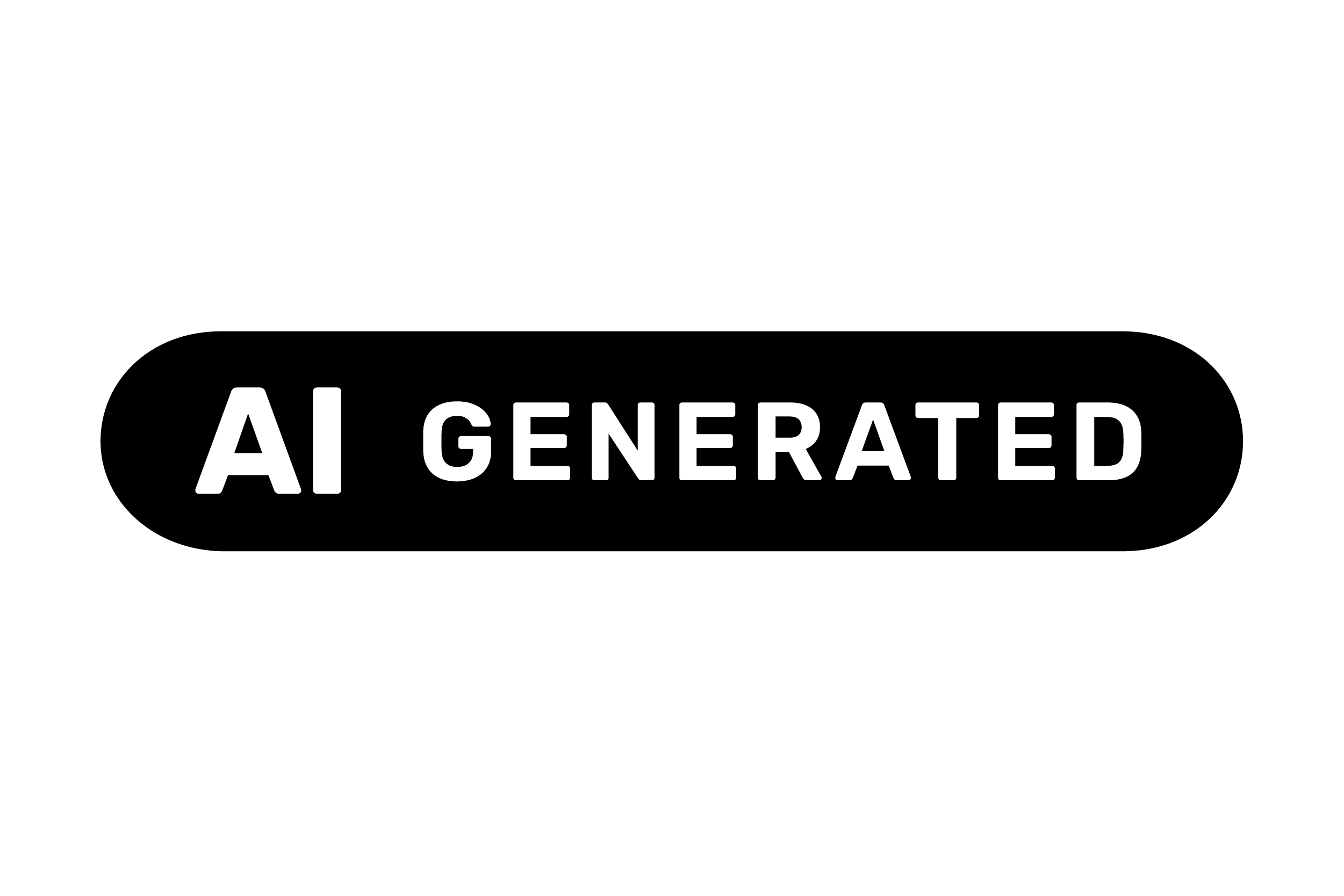 | Fully synthetic content |
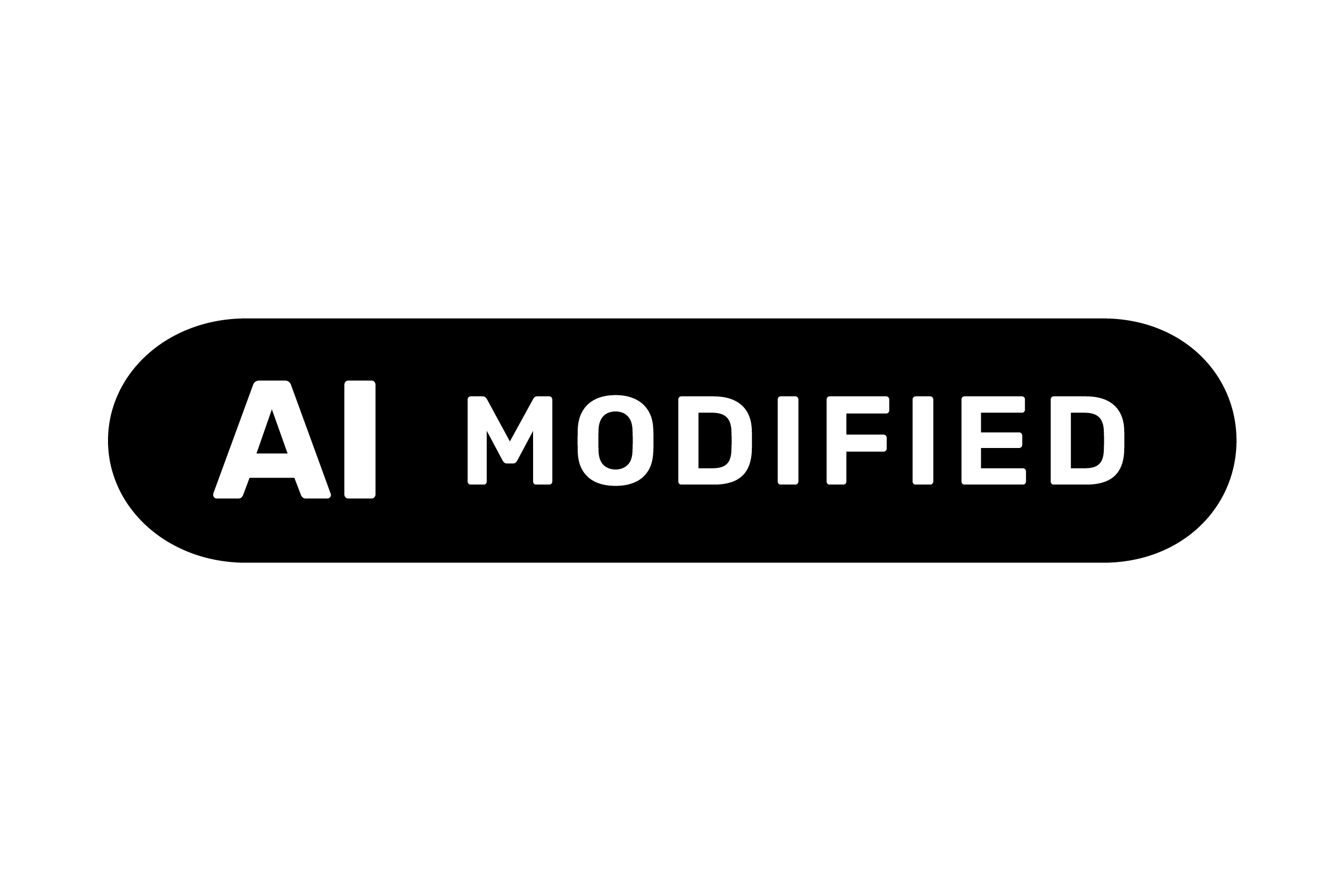 | Content partly altered by AI |
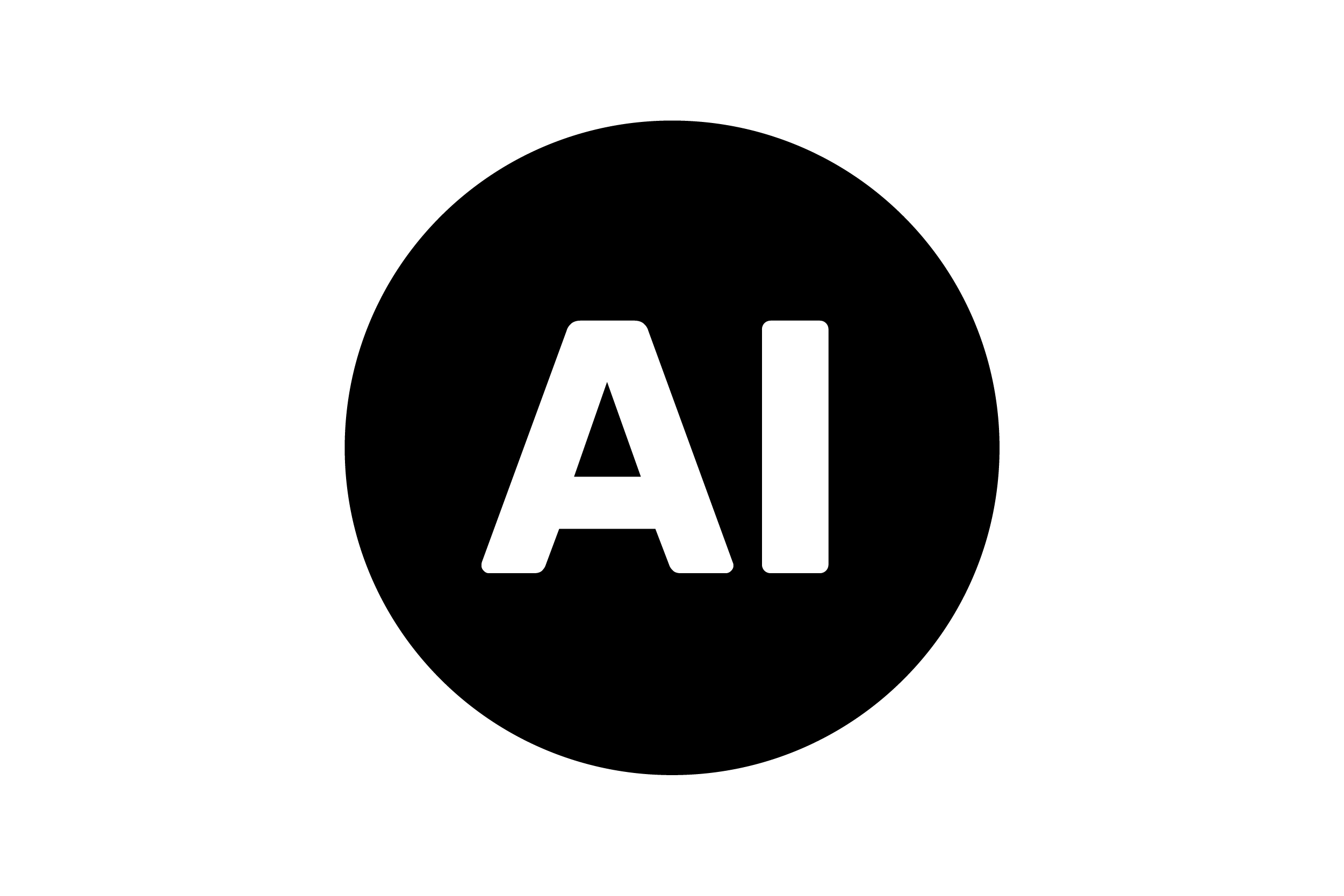 | A plain badge to sit next to a fuller explanation |
They’re free, need no attribution, and come in black, white and semi-transparent. The AI Office publishes the full set to download, as SVGs and as PNGs. You can use your own label if it’s just as clear. The testing found that words beat a bare symbol. People understood “AI GENERATED” far better than an icon on its own.
A label nobody notices fails Article 50(5), so the placement rules are specific.
- The label has to be visible without the viewer doing anything. A tooltip, a click-through or a line buried in a description doesn’t count.
- For video, label at the start, then at intervals and after ad breaks. Viewers join late, and clips get shared without their opening seconds.
- For audio with no screen, use a short spoken disclaimer at the start, in plain language.
- For published text, put the label near the headline or at the top. For very short text, where a label would spoil the reading, a clear notice in the surrounding interface is fine.
Creative work gets a lighter treatment. A deep fake inside an obviously artistic, satirical or fictional piece still needs disclosure, but in a way that doesn’t ruin it. A note in the credits, the description, or at the point of entry, like an exhibition leaflet or a ticket. This protects real creative work. It doesn’t cover a photorealistic AI ad that happens to look artful. That still needs its label.
The editorial-control exception for text
The text rule has an exception that matters to anyone publishing AI-assisted writing. Article 50(4) doesn’t apply where the text “has undergone a process of human review or editorial control and where a natural or legal person holds editorial responsibility for the publication of the content.”
The Code turns that into two requirements. A named person who holds editorial responsibility, with role and contact details, identified somewhere public. And a written description of how human review happens before publication. You don’t have to log every review of every piece. A named editor and a documented process are enough.
For example, a 12-person fintech publishes weekly explainers on EU payments rules, drafted with an LLM. Its head of content reads, corrects and approves each one before it goes live, and the site names her as the person responsible. No label needed. If the same firm auto-published those drafts with nobody reviewing them, every piece would need a visible disclosure from 2 August 2026.
What to do now
- Settle your role. A generative product means provider duties and the 2 December 2026 marking deadline. Using AI tools to make content means deployer duties from 2 August 2026.
- Providers, walk the four steps first. Most of the work is reading your model provider’s documentation and writing down what you rely on. Real engineering only starts where you generate a type of content nobody covers.
- Deployers, audit your content for the two triggers. Photorealistic AI imagery, and AI-written public-interest text. Pick the EU icons or an equivalent, and fix the placement before August.
- Publishing AI-assisted text? Write down the exception. Name the person with editorial responsibility somewhere public, and write the one-page review policy. It’s the cheapest compliance step in the Act.
- Check the rest of Article 50. Marking and labelling are two of four transparency duties. Chatbot disclosure and emotion-recognition notification run on the same 2 August 2026 clock. If you’re not sure which rules reach you, start with the Article 13 versus Article 50 comparison.
The Article 50 transparency requirements are now standardised by the Code of Practice. The labels are drawn and free to use, and the first deadline is just seven weeks away. What’s left now is implementation.
Frequently asked questions
What is the Code of Practice on Transparency of AI-Generated Content?
A voluntary code drafted by independent experts under Article 50(7) of the EU AI Act. It translates the Act's marking and labelling duties into concrete commitments: providers of generative AI systems commit to two layers of machine-readable marking plus a free detection tool (Article 50(2)), and deployers commit to visible labels on deep fakes and AI-written public-interest text (Article 50(4)). Adopting it is not legally required, but doing so gives you a straightforward way to demonstrate compliance to market surveillance authorities, and counts in your favour if a fine is ever set.
Do I have to mark content I create with ChatGPT, Claude or Gemini?
The machine-readable marking duty in Article 50(2) sits with the provider of the generative AI system, so OpenAI, Anthropic and Google carry it for their own tools. As the business using the output, your duty is visible labelling under Article 50(4), and only in two cases: deep fakes (realistic AI images, audio or video that could pass as authentic) and AI-generated text published to inform the public on matters of public interest. AI-written product descriptions, internal documents and marketing copy outside those two cases need no label.
What are the EU 'AI GENERATED' and 'AI MODIFIED' labels?
Official disclosure icons published with the Code of Practice, developed by the AI Office and user-tested across several Member States. There are three: 'AI GENERATED' for fully synthetic content, 'AI MODIFIED' for content partially altered by AI, and a basic 'AI' badge for use with an additional explanatory layer. They are free for anyone to use, with no attribution required, in black, white and transparent variants. Using them is optional; any equally clear and distinguishable label also works.
Does AI-written text need a label if a human edits it before publication?
Not if the editorial-control exception applies. Article 50(4) lifts the disclosure duty where the AI-generated text has undergone human review or editorial control and a natural or legal person holds editorial responsibility for the publication. The Code spells out how to evidence this: publicly identify the person with editorial responsibility (name, role, contact details) and keep a written description of your review process. You do not need to document each individual review.
What if my model provider doesn't watermark text?
You have three routes short of building your own. Switch to or prefer a model whose provider does (Google ships text watermarking in Gemini and has open-sourced its SynthID-Text approach). If you self-host, integrate an open-source inference-time watermarking component, because a text watermark must be applied during generation and cannot be added to finished text afterwards. Or buy a third-party marking and detection solution; the Code of Practice lets specialist vendors adopt it directly. Whichever route you take, the duty applies from 2 December 2026, and free-form text under roughly 200 tokens (approx. 150 words) is exempt.
When do the AI content marking and labelling rules apply?
Two dates. The visible disclosure duties, including labelling deep fakes and AI-written public-interest text, apply from 2 August 2026. The machine-readable marking duty for providers of generative AI systems applies from 2 December 2026, after the Digital Omnibus cut the grace period from six months to three. Providers that adopt the Code also commit to making their watermark detection work across companies by 2 February 2027. Breaches of Article 50 carry fines up to €15 million or 3% of global turnover.

John holds editorial responsibility for all ComplyDrive content.
About the author →The 47-item checklist, every obligation mapped to its article, with an editable progress tracker.
Get the Toolkit